

Commercial CARE
Sod Installation and Mulch Services in Richmond Hill
Shade Tree Landscaping installs new sod, replaces worn-out lawns and mulches garden beds across Richmond Hill, Vaughan, Markham, Thornhill and the GTA. Ontario-grown sod, proper grading and topsoil underneath, and a one year warranty when the watering schedule is followed.
+1 (416) 900-8918
How long does new sod take to root?
New sod usually knits to the soil within two to three weeks and roots properly over about six weeks, provided it is watered consistently. Test it by lifting a corner: if it resists, it has rooted. Keep foot traffic off it as much as possible for the first two weeks.
What Our Sod and Mulch Service Covers in Richmond Hill and the GTA
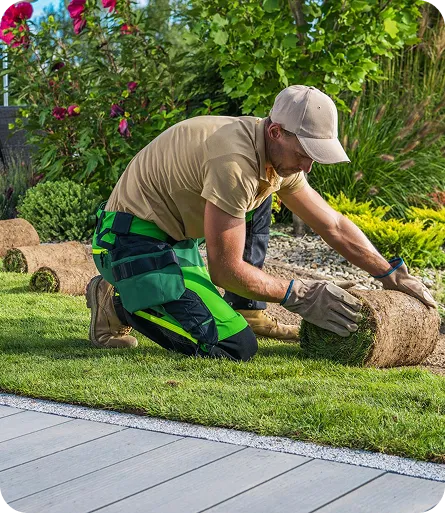
New sod installation and lawn replacement
A sod job is mostly preparation. The laying is the quick part.
- Removing the existing lawn where required, and disposing of it
- Grading to correct low spots and direct water away from the house
- Adding quality screened topsoil to an adequate depth
- Laying fresh sod with tight, staggered joints so seams do not show
- Rolling to ensure full contact between the sod and the soil beneath
- A thorough initial watering before we leave
- A written watering schedule, which is also what keeps your warranty valid
Mulch installation and garden bed refresh
- Redefining and cutting clean bed edges
- Weeding thoroughly before mulching, because mulch laid over weeds does not work
- Fresh mulch installed to the correct depth
- Annual top-ups for beds that already have mulch
- Cedar, black, brown and natural bark options
Topsoil, grading and lawn levelling
Correcting uneven ground, filling low spots that hold water, and improving grade away from foundations. Worth doing before sod rather than after, because once the sod is down, fixing a low spot means lifting it again.
Our One-Year Sod Warranty and How Much Watering It Depends On
Where Our Sod Comes From
New Sod Installation in Richmond Hill: What Actually Determines Success
Watering is not optional. New sod has to be kept consistently moist for the first two to three weeks while roots grow into the soil beneath, which means watering daily and sometimes twice daily in hot weather. This is by a wide margin the most common reason new sod fails.
What is underneath matters as much as the turf itself. Sod laid straight onto compacted clay or builder’s fill struggles to root, because the roots have nowhere to go. Good screened topsoil at an adequate depth gives them somewhere. This is the part people cut to save money.
Grading is the moment to fix drainage, and it only comes once. Once sod is down, correcting a low spot means lifting it again. If water pools anywhere on the lawn, or runs toward the house rather than away from it, that gets fixed before the sod goes on. On the heavy clay common across York Region, this matters more than in sandier ground.
Timing changes how hard it is. Spring and early autumn are the best windows in Ontario. Autumn especially: cooler air, still-warm soil and more reliable rain mean far less watering pressure and a much more forgiving establishment period.
Traffic in the first fortnight does real damage. Walking on new sod before it has knitted shifts the pieces and opens the seams. Keep children and pets off it as far as practically possible for the first two weeks.
Mulch Installation: Depth, Timing, and Which Type to Choose
Depth is where most people go wrong
Around two to three inches suppresses weeds and holds moisture. Thinner than that and weeds push straight through. Thicker and you can starve roots of air and hold too much water against the plants.
Never pile mulch against a trunk or stem
Mulch mounded up around the base of a tree traps moisture against the bark and causes it to rot. Keep it pulled back so the root flare is visible. This is extremely common and it kills young trees slowly enough that the cause is rarely identified.
Mulch does not kill weeds that are already there
It suppresses new ones by blocking light from reaching seeds. Beds have to be weeded thoroughly first, or the same weeds come straight back up through it.
Choosing a type
Cedar lasts longest and resists breakdown, which means fewer top-ups. Dyed black and brown mulches give a sharper, uniform look that suits front beds and commercial properties. Natural bark breaks down faster and feeds the soil as it does. All work. The difference is appearance, longevity and cost.
Timing
Late spring, once the soil has warmed. Mulching too early over cold ground insulates it and slows everything down just when plants are trying to start.
Sod and Mulch Installation Costs in Richmond Hill: What Affects Your Quote
Stripping and disposing of existing turf adds cost compared with laying onto prepared bare ground.
How much is needed and to what depth. This is the main variable in a sod quote and the most common place a cheaper quote has cut back.
Correcting low spots, levelling uneven ground or fixing drainage before laying.
od is heavy and comes on pallets. If pallets cannot be placed near the work area, every roll gets barrowed by hand.
Cedar and dyed mulches cost more per yard than natural bark.
Weeding and edging before mulching. Neglected beds take considerably longer than beds due a top-up.
When to Book Sod and Mulch Work
Sod has two good windows: spring, once the ground has dried enough to work, and early autumn. Autumn is generally better because the establishment period is far more forgiving.
Mulch is a late spring job, once the soil has warmed, though beds can be topped up later in the season if they look tired.
Landscaping Service Areas Across York Region and the GTA
why choose us
Why Property Owners Choose Shade Tree for Sod and Mulch
We fix what is underneath first. Grading and topsoil decide whether sod takes. A cheap sod quote usually means a thin layer of soil over compacted ground, and that lawn fails in year one.
We weed beds properly before mulching. Mulch laid over live weeds is money wasted, and it is a very common shortcut.
We keep mulch off the trunks. A small thing that quietly kills a lot of young trees when it is done wrong.
FAQ
Sod and Mulch in Richmond Hill: Frequently Asked Questions
Do you guarantee new sod?
Where does your sod come from?
When is the best time to lay sod in Ontario?
Spring and early autumn. Autumn is often the better of the two, because cooler air and warm soil mean much less watering pressure while the roots establish. Midsummer sod is possible but needs far more water and is less forgiving if you miss a day.
How often should new sod be watered?
Daily for the first two to three weeks, and sometimes twice daily in hot weather. The soil beneath needs to stay consistently moist while roots grow down into it. Once rooted, taper to deeper and less frequent watering to encourage roots to go deeper still.
How long until I can walk on new sod?
Keep off it as much as possible for the first two weeks. Light foot traffic is generally fine after that. Wait until the sod resists when you try to lift a corner before treating it as a normal lawn.
When can I mow new sod?
Usually after about three weeks, once it has rooted and reached cutting height. Use a sharp blade, make sure the sod is dry, and do not remove more than a third of the blade height on the first cut.
Why did my new sod die?
Almost always watering. New sod has no roots into the soil beneath, so it dries out very quickly, and a few missed days in hot weather is usually enough. The second most common cause is inadequate topsoil underneath, leaving roots nowhere to grow.
Sod or seed, which is better?
Sod gives an instant lawn and is far better on slopes where seed washes away, but costs more. Seed is much cheaper and offers more choice of grass variety, but takes a full season to look established. Sod is the usual choice for front lawns and new builds.
Do I need to remove the old lawn before laying sod?
Usually yes. Laying new sod over existing turf prevents proper contact between the new roots and the soil, and the old grass decomposes underneath, creating an uneven surface.
Do I need topsoil under new sod?
In most cases yes, and it matters more than the sod itself. Sod laid onto compacted clay or builder’s fill has nowhere for roots to grow. Good screened topsoil at an adequate depth is what turns new sod into an established lawn.
How deep should mulch be?
Around two to three inches. Thinner allows weeds through. Thicker can restrict air to the roots and hold too much moisture. Always keep it pulled back from tree trunks and shrub stems rather than mounded against them.
How often should mulch be replaced?
Most beds need topping up annually to maintain depth and appearance, as mulch breaks down and settles. Cedar lasts longer than natural bark. A complete replacement is rarely necessary.
Does mulch prevent weeds?
It suppresses new weeds by blocking light from reaching seeds, but it does not kill weeds already growing. Beds must be weeded thoroughly before mulching.
Which mulch is best for Ontario gardens?
All the common options work and the choice is mostly appearance, longevity and cost. Cedar resists breakdown and lasts longest. Dyed black and brown mulches give a uniform look that suits front beds. Natural bark breaks down faster and improves the soil as it does.
Do you include topsoil and grading with sod installation?
Yes, where the site needs it, and most sites do. We assess what is underneath before quoting rather than pricing the turf alone.
Can you repair a lawn damaged by other landscaping work?
Accordion Title
Accordion Content
Related Services
Weekly grass cutting, edging, trimming and blow down, plus spring and fall cleanups for homes and commercial grounds.

Driveways, walkways and parking lots cleared and salted all winter on a flat seasonal contract.
Removal, pruning and stump grinding, with clear guidance on the Richmond Hill tree permit rules before any protected tree comes down.
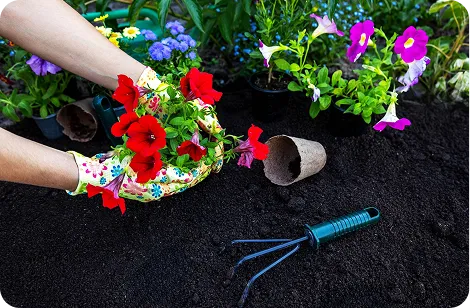
Trees, shrubs, cedar privacy hedges and garden beds, chosen for York Region winters and clay soil.
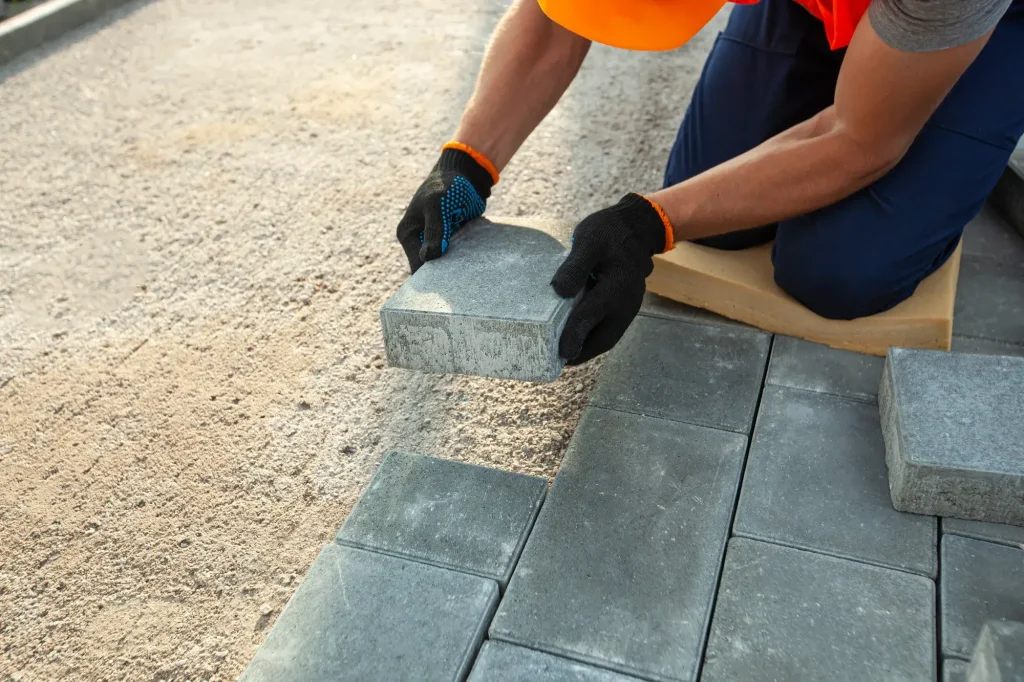
New installation and repairs, built on a base that holds up through Ontario freeze and thaw.